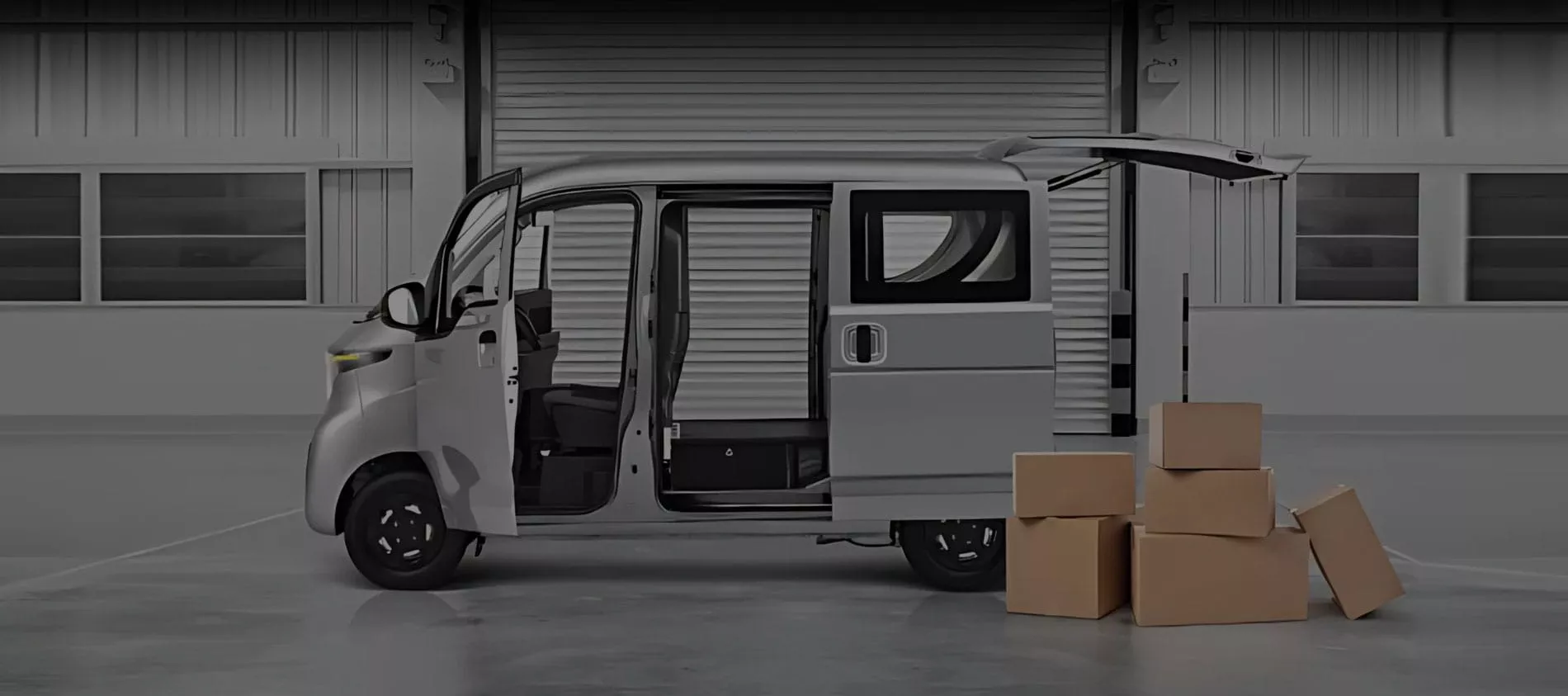
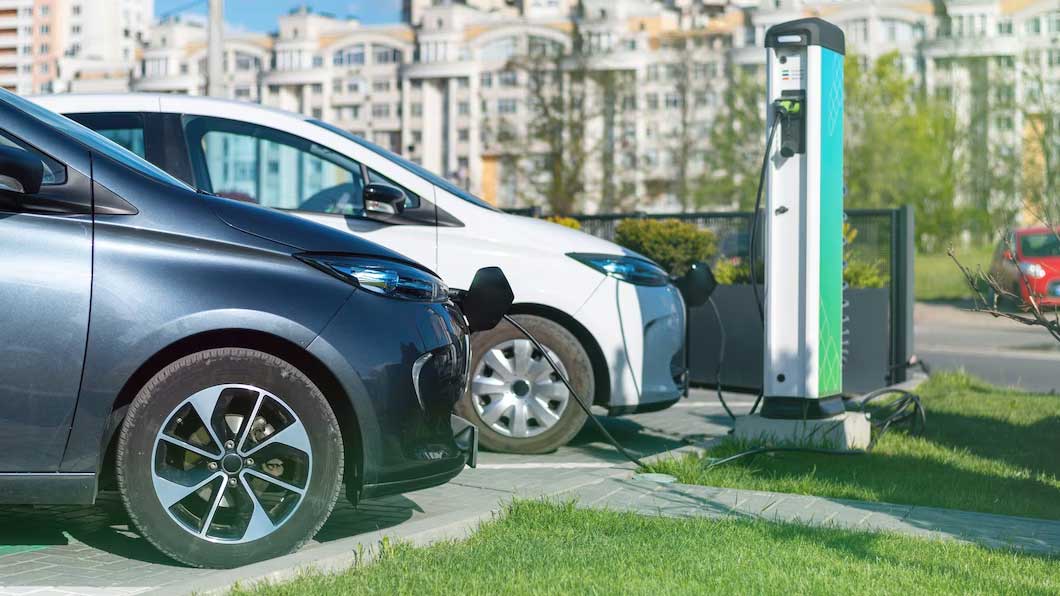
Electric fleets are transforming the way businesses transport people, products, and equipment. Electric vehicles are now being utilized by businesses for deliveries, campuses, warehouses, industrial transportation, and industrial use.
But the purchase of electric vehicles is the first step. Reliable service, maintenance, charging, and technical planning are essential components of a successful fleet.
Which is why the selection of the right service and infrastructure partner is crucial. Fleet operators can minimize downtime and optimize their fleet performance with the right partner.
There are several operational benefits to EVs. They can facilitate the use of cleaner means of transport and lower the usage of traditional fuels.
But there are still practical challenges for fleet operators.
These include:
Therefore, it is important that fleet managers have a full strategy. They should take into account service needs prior to implementing electric vehicles into their fleet.
Maintenance, which can be done before the issue occurs, is a significant contributor to fleet reliability. Scheduled inspections can help to uncover issues in advance, so they do not disrupt the business.
For instance, technicians can inspect important components and determine abnormal wear. They are also able to inspect electrical connections, charging systems, tyres, brakes, and more.
Furthermore, scheduled maintenance allows fleet managers to schedule services around operating schedules.
This approach can provide several benefits:
Consequently, preventive maintenance should become part of every electric fleet program.
A fleet cannot operate effectively without dependable charging access. Charging needs vary according to vehicle type, operating hours, routes, and battery capacity. Therefore, businesses should evaluate their charging requirements before expanding an electric fleet.
A strong infrastructure plan considers:
Furthermore, fleet managers should consider how charging affects daily operations. For example, a vehicle that requires frequent charging may need a different operating schedule. A carefully planned charging system can help reduce unnecessary downtime.
Not every electric vehicle uses the same technology. Different manufacturers can use different components, systems, controls, and maintenance procedures. Therefore, fleet operators should work with technicians who understand their specific vehicles.
A capable service partner can help with:
This knowledge becomes especially important when a fleet contains vehicles from multiple manufacturers.
Many businesses operate mixed fleets. One facility may use electric utility carts, vehicles, delivery vehicles, and specialized equipment.
Managing several service providers can create additional complexity. Each provider may follow different processes and schedules. A multi-brand service partner can simplify fleet maintenance.
For example, Fairway EV specializes in repair and maintenance for several leading electric vehicle brands. Its service capabilities cover Sevic, Taylor Dunn, GEM, Yamaha, Mullen, Tropos, E-Ride, IndiGO, and many more.
This multi-brand experience can help fleet operators manage maintenance across different vehicle platforms.
Fleet maintenance should not become an afterthought. Instead, companies should discuss service requirements during the vehicle selection process. This step can help identify potential maintenance challenges early.
Before purchasing electric vehicles, fleet managers should ask:
These questions can reveal important operational requirements.
Additionally, early planning helps businesses create realistic fleet budgets.
Every fleet depends on vehicle availability. When an essential vehicle stops operating, daily workflows can slow down.
For delivery businesses, downtime can affect routes. For warehouses, it can disrupt material movement. For campuses, it can delay transportation. Therefore, maintenance planning directly supports productivity.
A trustworthy service partner can assist in figuring out recurring concerns and creating maintenance schedules. This can be helpful for fleet managers in learning more about their fleet in the long term.
Useful operational information can be generated in modern electric fleets. Fleet managers can access service history, vehicle performance, charging patterns, and mileage. This data can be used to aid in maintenance planning.
For example, managers can detect those vehicles that need frequent repairs. They can also track issues that happen repeatedly and modify the maintenance plans. This can lead to more proactive and data-driven fleet maintenance.
Fleet electrification often happens in stages.
A business may start with a few electric vehicles. Later, it may add more vehicles as operations expand.
Therefore, charging infrastructure should account for future requirements.
A scalable plan can consider:
Planning can reduce the need for costly infrastructure changes later.

The right partner should offer more than basic repair services. Fleet operators should look for technical knowledge, brand experience, responsive service, and practical fleet understanding. A strong partnership should support the entire vehicle lifecycle.
That includes:
This approach creates a stronger foundation for electric fleet operations.
Electric vehicles can transform fleet operations. But vehicles are not the only reason for reliable performance. Everything from maintenance to charging to technical support and to infrastructure planning is a factor in fleet success.
So, it is important for businesses to make the decision of whom to select as a service partner at an early stage. Properly matching the right partnership can help operators control maintenance needs and ensure that vehicles are ready to do their jobs daily.
Fairway EV offers repair and maintenance for top electric vehicle brands such as Sevic, Taylor Dunn, GEM, Yamaha, Mullen, Tropos, E-Ride, IndiGO, and many more. Contact Fairway EV to support your electric fleet with dependable service and specialized technical expertise.
A service partner provides maintenance, troubleshooting, repairs, and technical expertise that help keep electric fleet vehicles operational.
Maintenance can include inspections, electrical troubleshooting, brake service, tire checks, charging-system checks, repairs, component replacement.
Reliable charging infrastructure helps vehicles maintain operating schedules and reduces disruptions caused by inadequate charging access.
Yes. Some specialized providers support multiple electric vehicle brands, simplifying maintenance for mixed-brand commercial fleets.
Maintenance planning should begin before purchasing vehicles, allowing businesses to prepare service schedules, costs, infrastructure, and technician requirements.
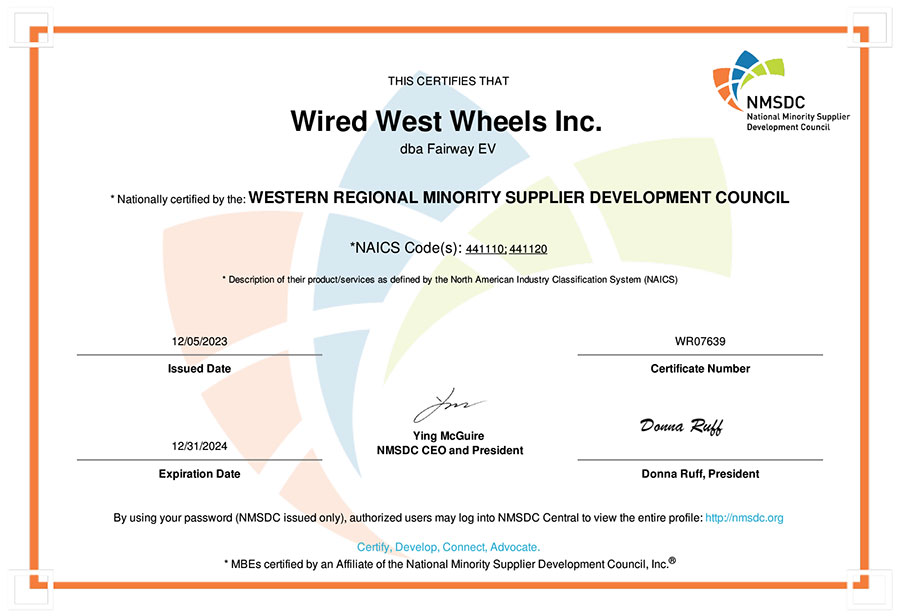
Diversity Supplier Participant




© Fairway EV. All rights reserved