Electric vehicles (EVs) are transforming how businesses and municipalities manage transportation. Organizations are moving to electric fleets to reduce emissions, minimize operating expenses, and achieve sustainability objectives in vehicles such as delivery vans and public transit buses. However, an electric fleet requires specialized service solutions beyond standard vehicle maintenance. This is where comprehensive electric fleet vehicle service solutions become essential.
Commercial and municipal operations face increasing pressure to adopt environmentally responsible practices. Governments are also introducing tougher emissions rules, and customers and communities are demanding greener operations. Therefore, the adoption of electric fleets is picking up pace across industries such as logistics, public transportation, utilities, and even sanitation services.
But organizations need to invest in the right service and maintenance solutions for EVs to achieve full benefits.
Electric fleet vehicle service solutions encompass a range of services designed to maintain vehicles in a productive, consistent state of operation. These include:
Electric fleets require regular maintenance. Although EVs require less maintenance than internal combustion cars, they still need frequent checkups. Among them are battery health, braking systems, tire treads, and software updates.
The most important and costly part of an EV is the battery. Diagnostic devices are used to monitor the battery's performance, identify potential issues, and ensure optimal charging times. Battery management will extend the vehicle's life and minimize unplanned downtime.
Fleet is imperative to have a dependable charging infrastructure. The charging stations are installed, maintained, and optimized with the assistance of service providers. They are also compatible with various types of vehicles and use energy efficiently.
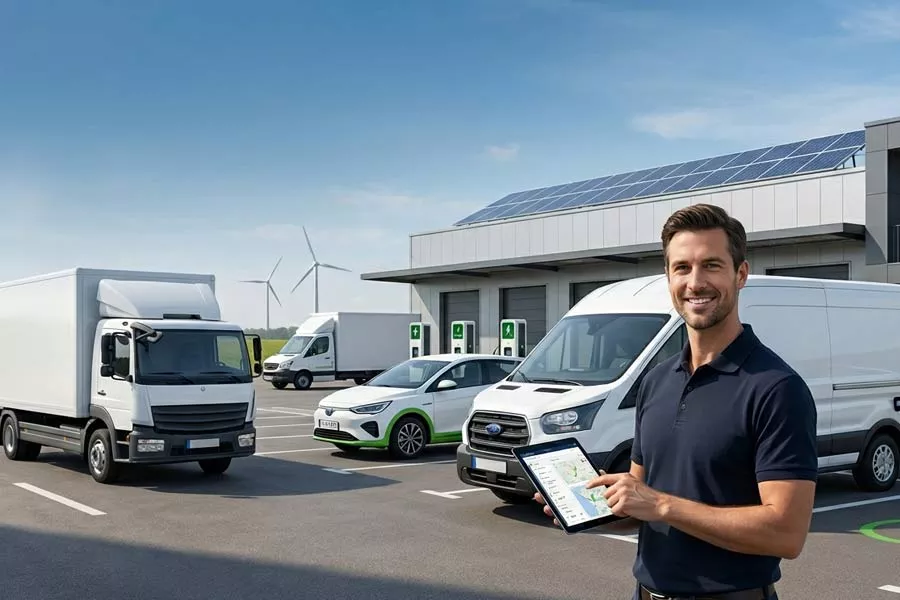
EV fleets now depend on telematics systems to monitor vehicle performance, location, and energy use. Such systems provide real-time data that fleet managers can use to make well-informed decisions and enhance efficiency.
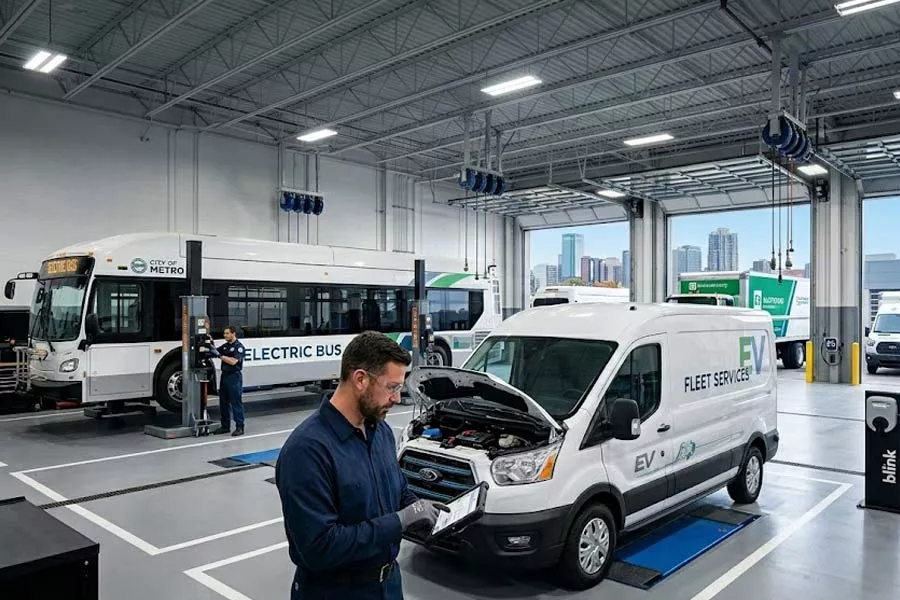
Downtime may affect operations and escalate the costs. On-site services and mobile repair teams can ensure a fast response and reduce inconvenience. This is particularly critical for municipal fleets that provide critical services.
Companies that implement electric fleet service solutions have an upper hand. Effective fleet management results in saving money, high reliability, and brand recognition.
For example- delivery companies can optimize their routes and pricing schedules to achieve maximum productivity and minimize emissions.
There are various municipal fleets, such as buses, police cars, and maintenance trucks. Electric Fleet solutions refer to ways of assisting cities in operating more efficiently towards sustainability, without interfering with any dependable services to the population.
Long-term urban planning can also be supported by electrified fleet services, integrated with renewable energy sources and smart grid technologies.
Technology is important for managing an electric fleet. High-tech software platforms integrate vehicle data, charging infrastructure, and maintenance schedules into a single platform. This enables fleet managers to:
Amid this change, firms such as Fairway EV are helping organizations streamline their electric fleet operations. They allow offering specific solutions and helping businesses and municipalities to transition easily and continue their high performance.
Although electric fleets have numerous advantages, the implementation might be challenging for organizations:
The challenges can be tackled through comprehensive service solutions that offer expert advice, scalable infrastructure, and support.
The future of an electric fleet service solution is bright. EVs are becoming more feasible and affordable due to battery technologies, quick charging, and energy management. Furthermore, the adoption is still supported by government incentives and policy. The electrification of fleets will also significantly help meet global climate targets. The need to provide a dependable service solution will remain elevated as more organizations switch to electric vehicles.
Electric fleet vehicle service solutions are needed for commercial and municipal operations seeking to adopt sustainability and efficiency. These services are designed to deliver optimal performance for electric fleets, from preventive maintenance to sophisticated telematics.
As the industry evolves, partnering with experienced providers like Fairway EV can make a significant difference. Their expertise helps organizations navigate the complexities of fleet electrification while maximizing long-term benefits.
Service solutions for electric fleet vehicles include maintenance, charging support, diagnostics, telematics, and EV fleet repair.
Electric fleets reduce fuel and maintenance costs and enhance efficiency by implementing advanced monitoring systems.
The battery management system will ensure optimal performance, extend the life cycle, prevent failures, and reduce the need for expensive replacements and downtime.
During adoption phases, organizations incur initial costs, face infrastructure constraints, address training needs, and address range issues.
The cities also benefit from cleaner air, quieter streets, lower maintenance costs, and greater compliance with environmental standards.
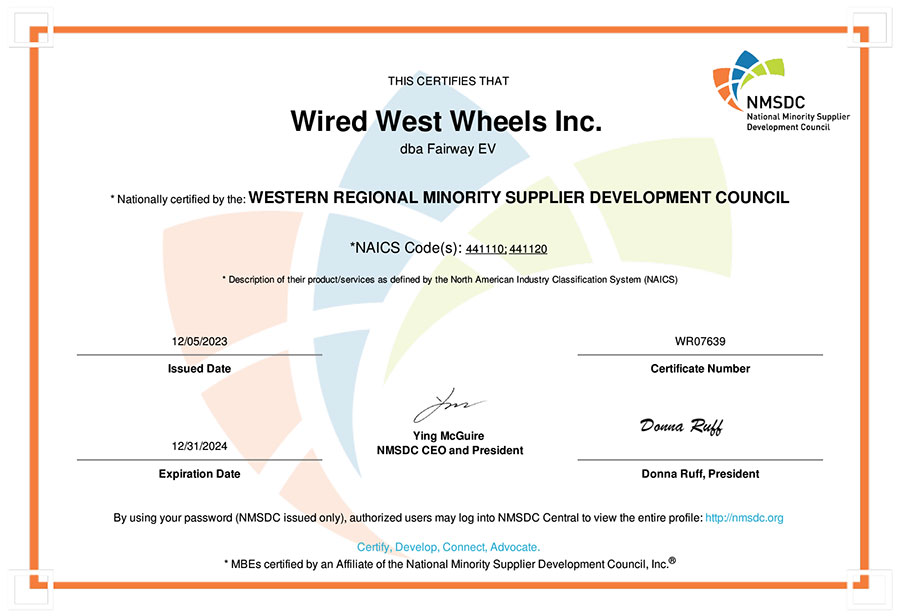
Diversity Supplier Participant




© Fairway EV. All rights reserved