California continues to expand electric transportation across commercial and public fleets. However, electric fleet adoption can involve major upfront costs. Project budgets can easily grow fast when it comes to vehicle price, charging infrastructure, installation, and fleet upgrades.
Government grants and incentive programs overcome these financial barriers. This has led to increased uptake of EVs by more businesses, public entities, schools, and non-profits for their everyday transportation needs.
The widespread California program, the Clean Electric Truck and Bus Voucher Incentive Project (HVIP), is one such program. Since 2009, HVIP has supported fleets in their purchase of over 16,000 ZEVs, with a total funding of almost $1 billion. These vehicles have driven over 340 million miles cleaner than with diesel.
Switching a fleet requires more than purchasing electric vehicles. Operators also need reliable charging and proper maintenance. Fortunately, government funding can address several parts of this transition.
Funding can help fleets:
Therefore, incentives can make electric fleet planning more practical for many organizations.
HVIP remains one of California's major programs for medium- and heavy-duty zero-emission fleets. The program provides point-of-sale discounts for eligible zero-emission trucks and buses. This structure can reduce the amount a purchaser needs to finance upfront.
However, funding availability changes over time. As of September 2026, standard HVIP voucher funding is closed because available funds have been committed. HVIP expects to release additional funding by the end of 2026. Public fleet and drayage categories remain open for eligible purchasers.
That makes it important for fleet operators to monitor program updates before planning purchases.
Vehicle incentives work best when fleets have dependable charging access. California therefore continues to invest in charging infrastructure. In August 2026, the California Energy Commission approved a $95 million plan for zero-emission vehicle infrastructure. The plan includes $30.2 million for medium- and heavy-duty ZEV infrastructure. It also includes $48 million for light-duty EV charging.
In addition, California's NEVI program supports strategically located fast-charging infrastructure-one 2026 solicitation offered up to $79 million for publicly accessible DC fast-charging projects.
These investments can help solve a common fleet concern: charging availability.
School districts also have access to targeted funding opportunities. For example, California's RECESS solicitation offered up to $22 million for EV charging infrastructure at eligible electric school-bus sites.
Charging investments can help school districts build dependable daily charging routines. Consequently, electric buses can become easier to integrate into regular transportation schedules.
Fleet electrification also creates demand for specialized technical skills. EV technicians must be knowledgeable about batteries, motors, electrical systems, charging systems, and electronic controls. As a result, California is taking steps to invest in workforce development in addition to vehicle deployment.
The California Energy Commission (CEC) in 2026 awarded a $6 million Charger Service Skills Accelerator. The program is designed to grow the number of trained employees to provide services for EV charging infrastructure.
This focus matters because reliable maintenance supports long-term fleet performance.
Government incentives can reduce project costs. Still, fleet owners should evaluate their complete operating requirements.
Before switching vehicles, consider:
Furthermore, operators should review each program's eligibility rules before committing funds.
Fleet electrification works best as a planned transition rather than a single purchase. For example, an operator might begin with a small number of electric vehicles. The organization can then evaluate charging performance, maintenance needs, route suitability, and operating costs. Afterward, the fleet can expand when the results support additional deployment.
HVIP also allows eligible public incentives to combine in certain situations. Current HVIP rules state that combined public incentives can cover up to 90% of vehicle costs for private fleets and up to 100% for public fleets, subject to program requirements.
However, stacking rules can vary. Fleets should verify compatibility before combining funding programs.
Government incentives can help purchase electric vehicles. Yet funding does not eliminate maintenance needs. Regular inspections and timely repairs can help fleets stay operational. Preventive maintenance can also identify problems before they create longer downtime.
Fleet operators should therefore choose service providers familiar with their specific vehicle platforms. Fairway EV specializes in repair and maintenance for leading electric vehicle brands, including Sevic, Taylor Dunn, GEM, Yamaha, Mullen, Tropos, E-Ride, IndiGO, and many more.
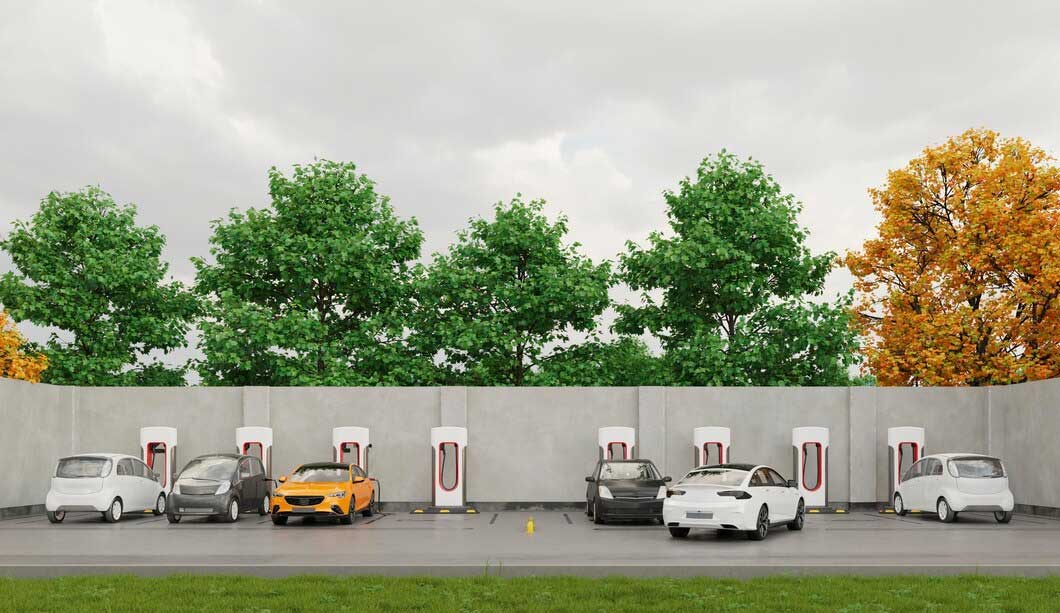
California's funding strategy reaches beyond vehicle purchases. It combines vehicle incentives, charging infrastructure, workforce development, and clean transportation investments.
As funding programs evolve, fleet operators should watch eligibility requirements and application windows closely. At the same time, they should build maintenance planning into every electrification strategy. Ultimately, successful fleet electrification requires both financial planning and dependable technical support.
Ready to keep your electric fleet running efficiently? Contact Fairway EV for professional repair and maintenance services for leading electric vehicle brands.
Grants and vouchers can reduce vehicle and infrastructure costs, making electric fleet investments more financially manageable.
Standard HVIP funding is currently closed, while public fleet and drayage categories remain open for eligible applicants.
Yes. California offers funding programs supporting charging infrastructure for commercial, public, school, and community applications.
Yes. Electric fleets need scheduled inspections, repairs, battery checks, and specialized service to maintain reliable operations.
Fairway EV services Sevic, Taylor Dunn, GEM, Yamaha, Mullen, Tropos, E-Ride, IndiGO, and many other electric brands.
Diversity Supplier Participant

© Fairway EV. All rights reserved